Hygiene Support
When a Girl's Period Should Never Stop Her Education
A girl can miss four days of school a month for want of sanitary towels. The story behind Zeph Omweno Foundation's Hygiene Support Program.
For most girls, getting their first period is an important milestone; it is a sign that they are growing and entering a new stage of life. But for many girls growing up in rural communities, puberty can also bring a difficult reality: the fear of missing school because they cannot afford sanitary towels.
This is the reality that Zeph Omweno Foundation continues to encounter through its Hygiene Support Program. For a girl who has just started experiencing her monthly periods, something as simple as a sanitary pad can determine whether she spends the day learning in a classroom or stays at home.
When puberty meets poverty
As girls enter puberty, their needs change. They need accurate information about menstruation. They need privacy, hygiene facilities and sanitary products. They need reassurance that menstruation is normal. Most importantly, they need an environment where they can go through puberty without shame. But for families already struggling to meet basic needs, purchasing sanitary towels every month can become another financial burden.
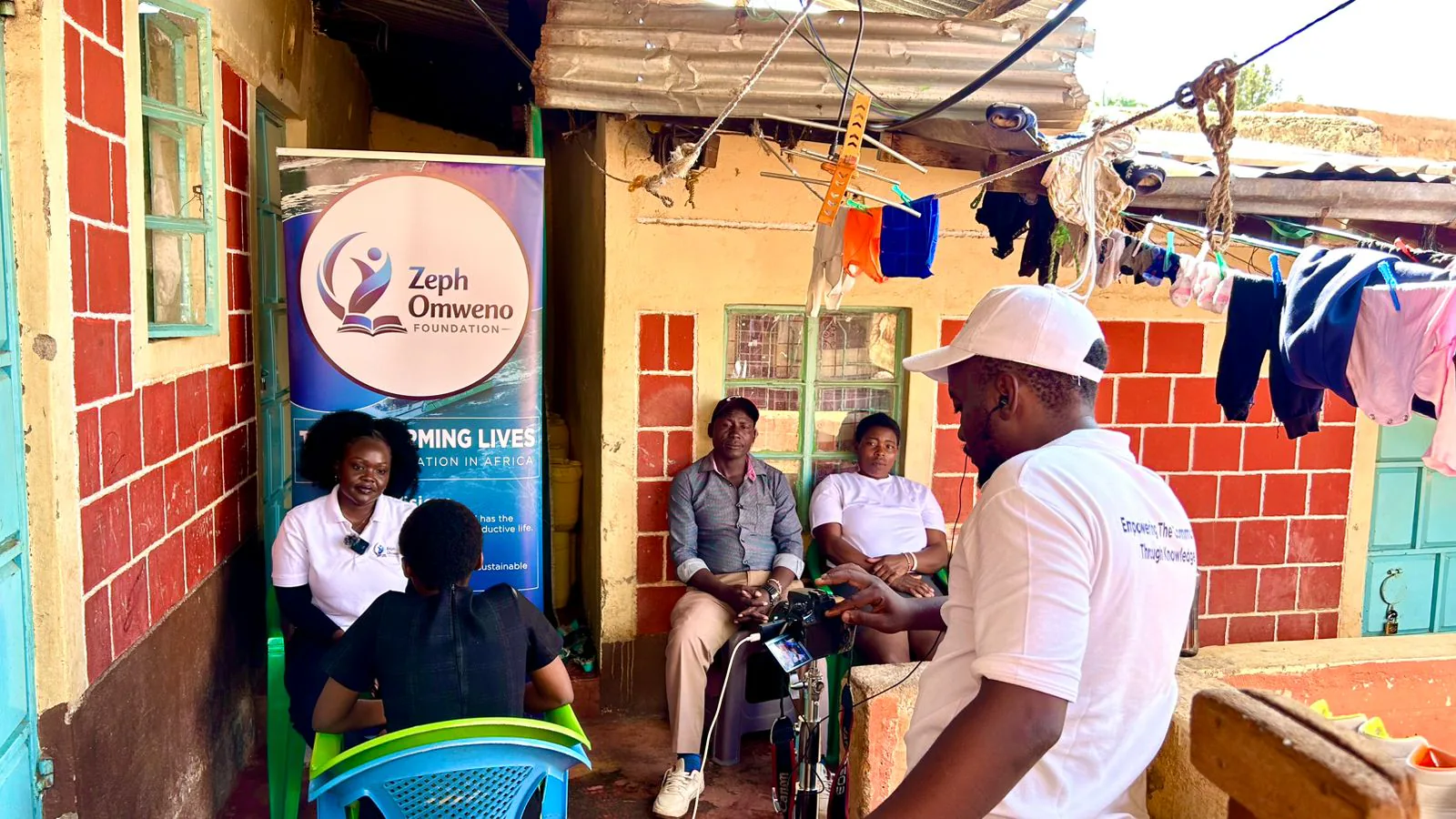
Parents have shared concerns about the difficulties their daughters face when they begin menstruating, particularly where household resources are limited. The challenge is not simply buying sanitary towels. Families may simultaneously be struggling to provide food, school requirements, clothing, learning materials and other basic necessities.
For some parents, every additional expense creates a difficult choice. And sometimes, the girl pays the price by staying at home.
"She cannot go to school without a pad"
Teachers are often among the first people to notice when period poverty begins affecting a girl's education. During school engagements, teachers have highlighted absenteeism among girls who do not have adequate sanitary protection. Some girls stay home during their periods because they are afraid of staining their uniforms, experiencing embarrassment, or being unable to manage their menstruation comfortably at school.
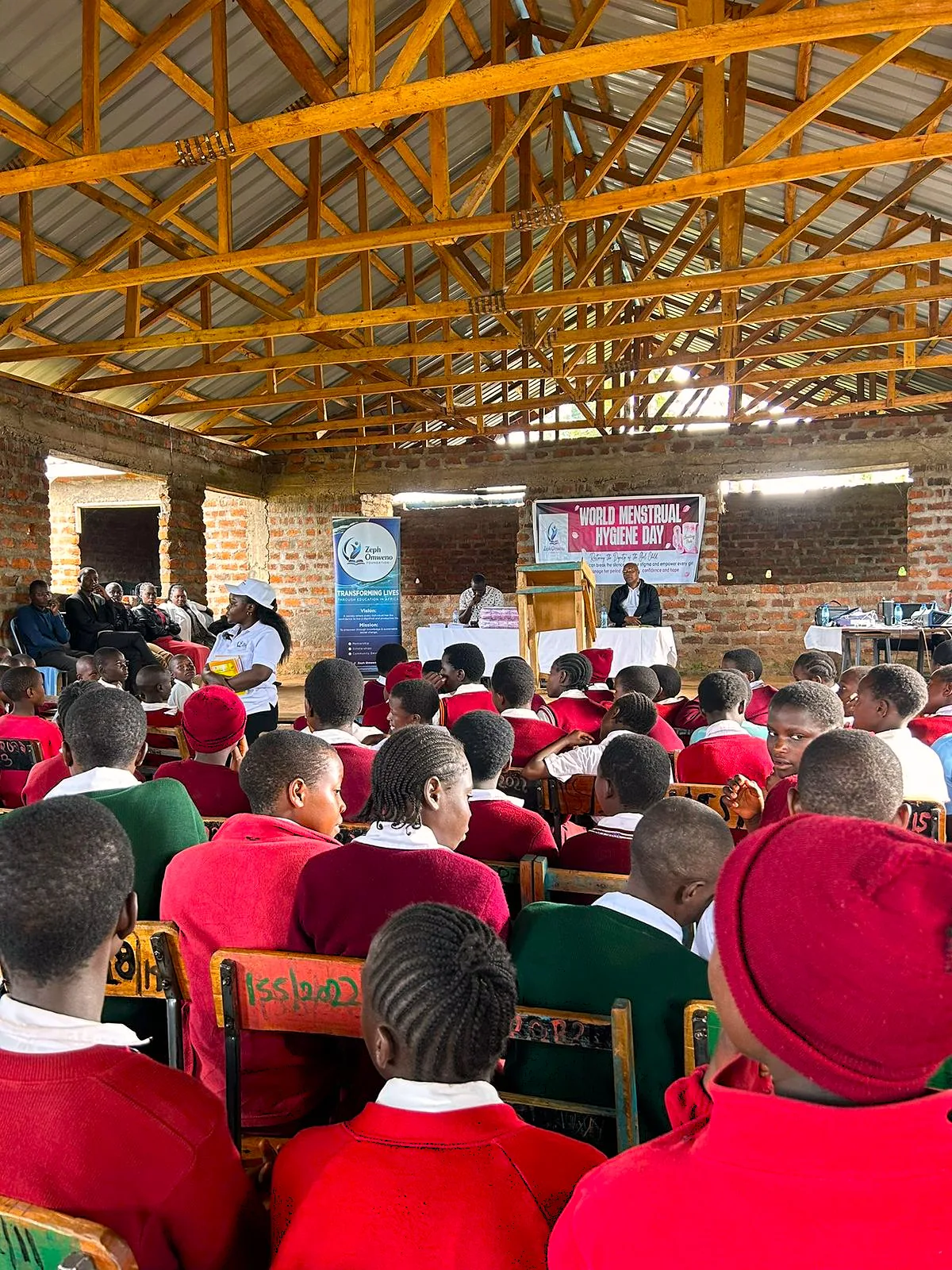
For teachers, the concern extends beyond attendance. A girl who repeatedly misses school can fall behind academically. She may miss important lessons, assessments, and opportunities to participate with her classmates.
Let's do the math: a girl misses 4 days of school every month due to period poverty. Cumulatively, that amounts to an average of 12 to 14 days in a term. This same student is expected to perform and be gauged on the same level as her classmates.
What begins as a lack of sanitary towels can gradually become an education problem. In some cases, the emotional impact can be just as serious as the physical inconvenience.
The pain of stigma
For adolescent girls, menstruation can already feel uncomfortable and unfamiliar. Stigma from other learners can make the experience even harder. A girl who experiences an unexpected menstrual flow at school may fear being laughed at, teased or embarrassed in front of her classmates. Some girls may become withdrawn and afraid to participate in class or school activities.
Teachers therefore have an important role to play. They support affected learners by creating safe spaces for girls to seek assistance, providing guidance, encouraging them to remain in class, and addressing inappropriate teasing or stigmatisation when it occurs. The message they are trying to reinforce is simple:
Menstruation is normal. There is nothing shameful about being a girl.
What parents want
Behind the discussions with parents is a common concern: how do we help our daughters navigate puberty with dignity when we are already struggling financially? Parents want their daughters to remain in school. They want them to concentrate on their studies and grow into confident young women. However, some families simply cannot afford to provide sanitary products consistently. Parents also need information. Girls need information, and teachers need the confidence to support them.
This is why menstrual hygiene cannot be treated only as a matter of distributing sanitary towels. Menstrual hygiene is about education, dignity, health, confidence, family support and keeping girls in school.
Where Zeph Omweno Foundation steps in
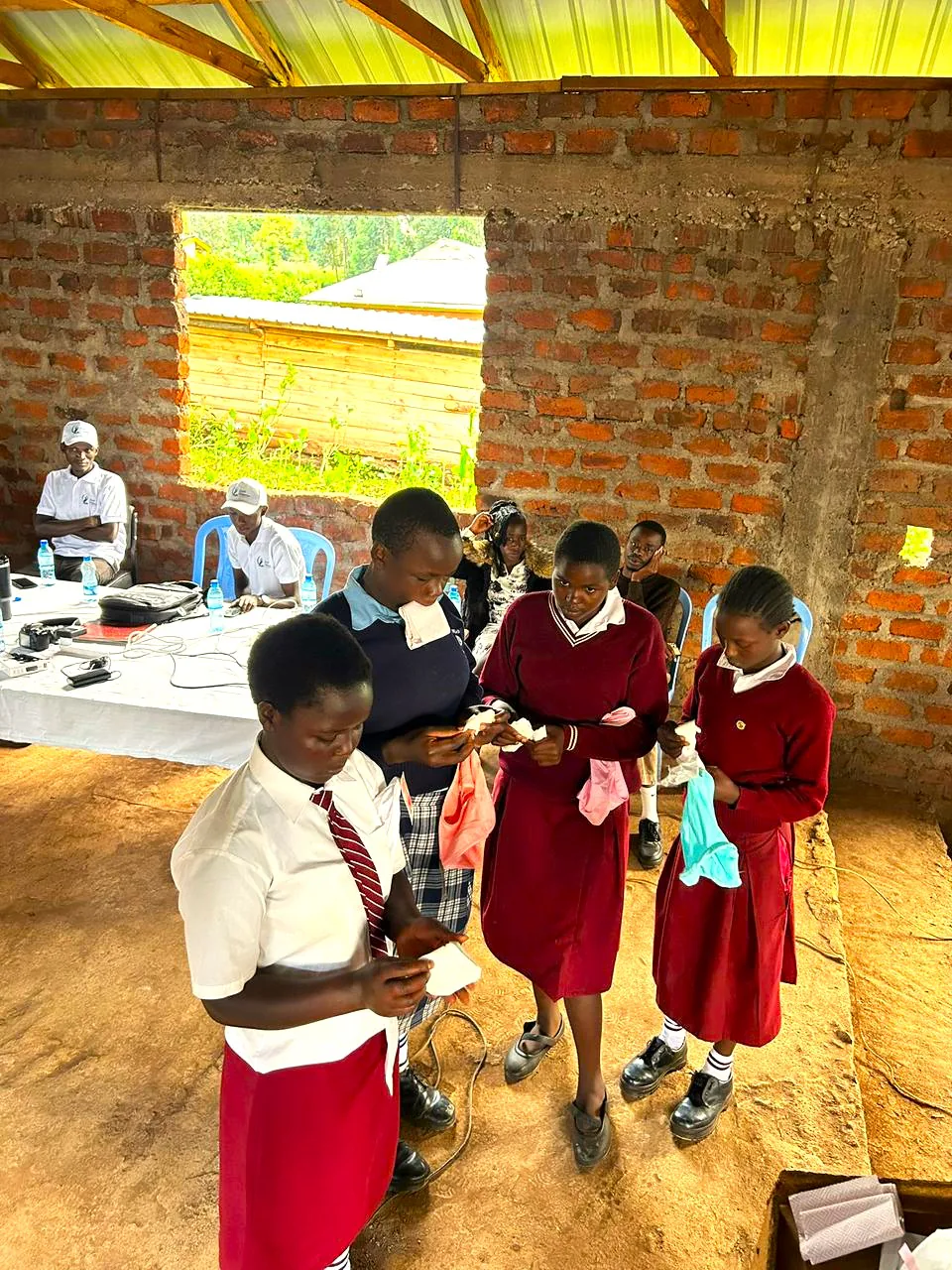
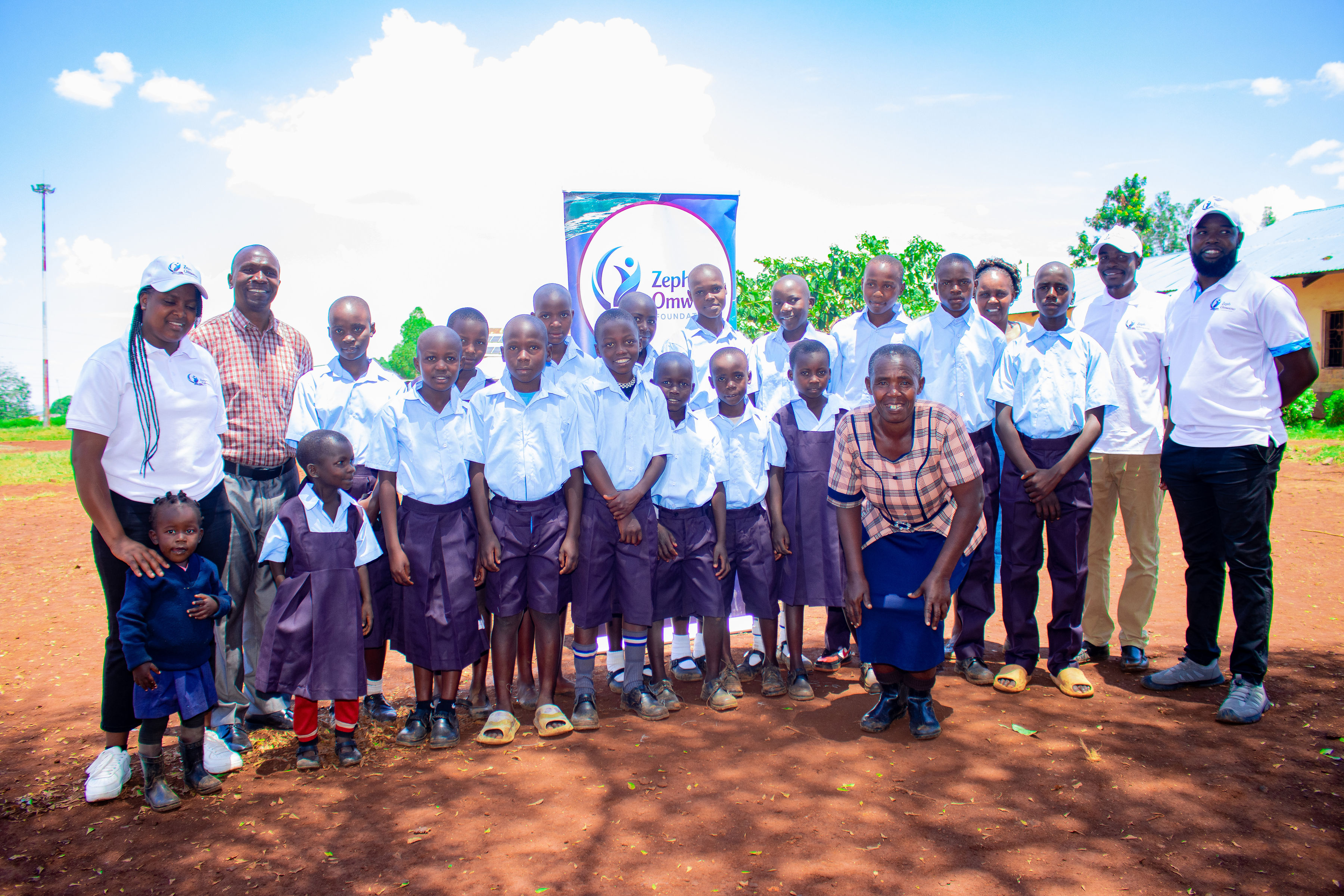
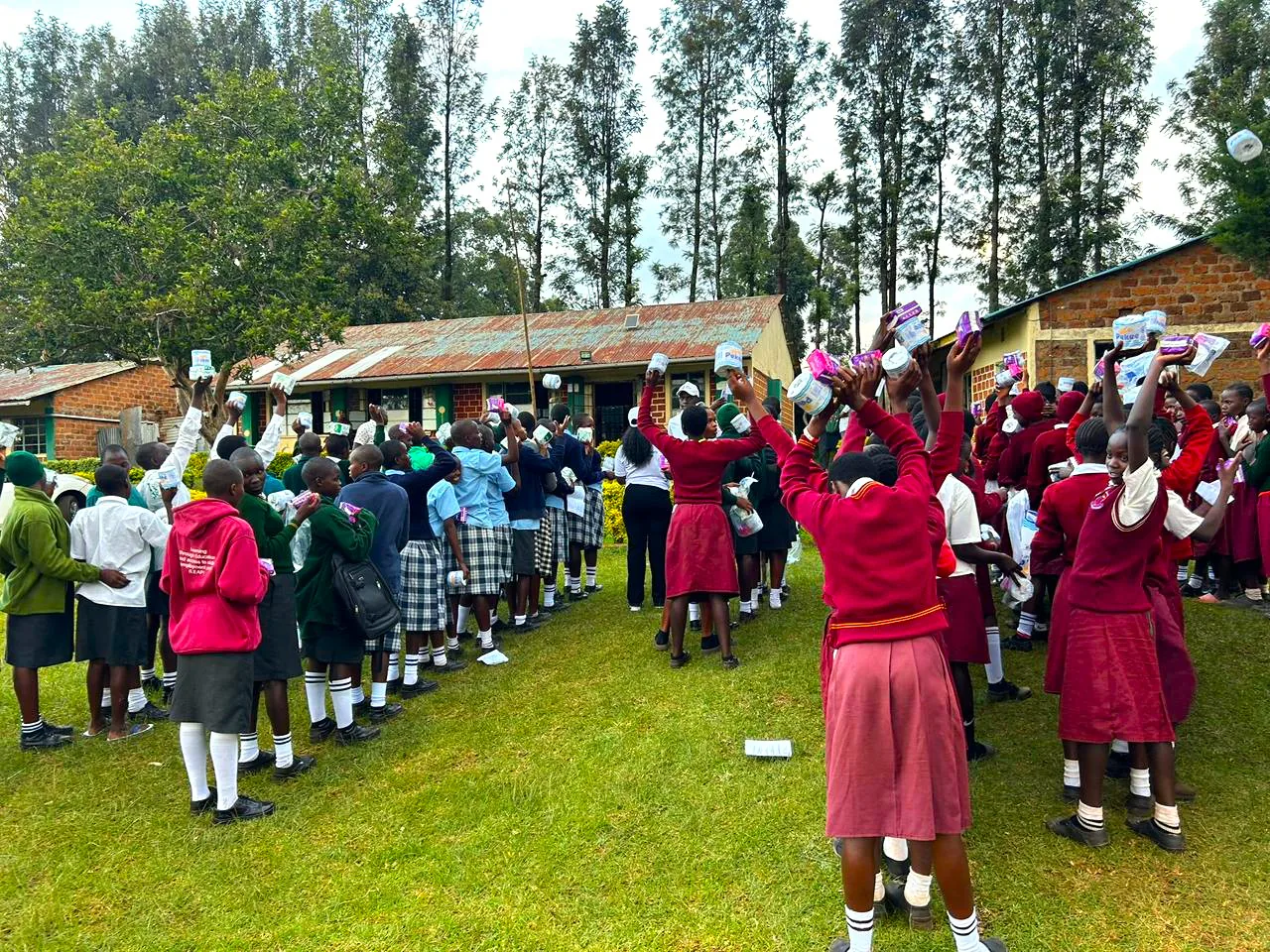
This is where the Zeph Omweno Foundation Hygiene Support Program makes a difference. Through the program, the Foundation provides sanitary towels and pads to schools serving girls who may otherwise struggle to access them. The intervention is simple, practical and immediate. When a girl receives sanitary towels, she no longer has to worry about where her next pad will come from. She becomes confident and sure she can attend school. She can sit through her lessons with greater confidence and participate in school activities. She can focus on what she came to school to do: learn.
The Foundation's work goes beyond the products. Through the broader education and mentorship approach, the Foundation seeks to create environments where girls can receive information, encouragement and support as they navigate adolescence.
One pack of pads can protect a girl's education
It is easy to look at a packet of sanitary towels and see a basic hygiene product. However, for a girl living in poverty, it can represent something much bigger. It can mean:
- One more day in school
- One more lesson attended
- One more examination completed
- One more opportunity to learn
- One more step toward her dream
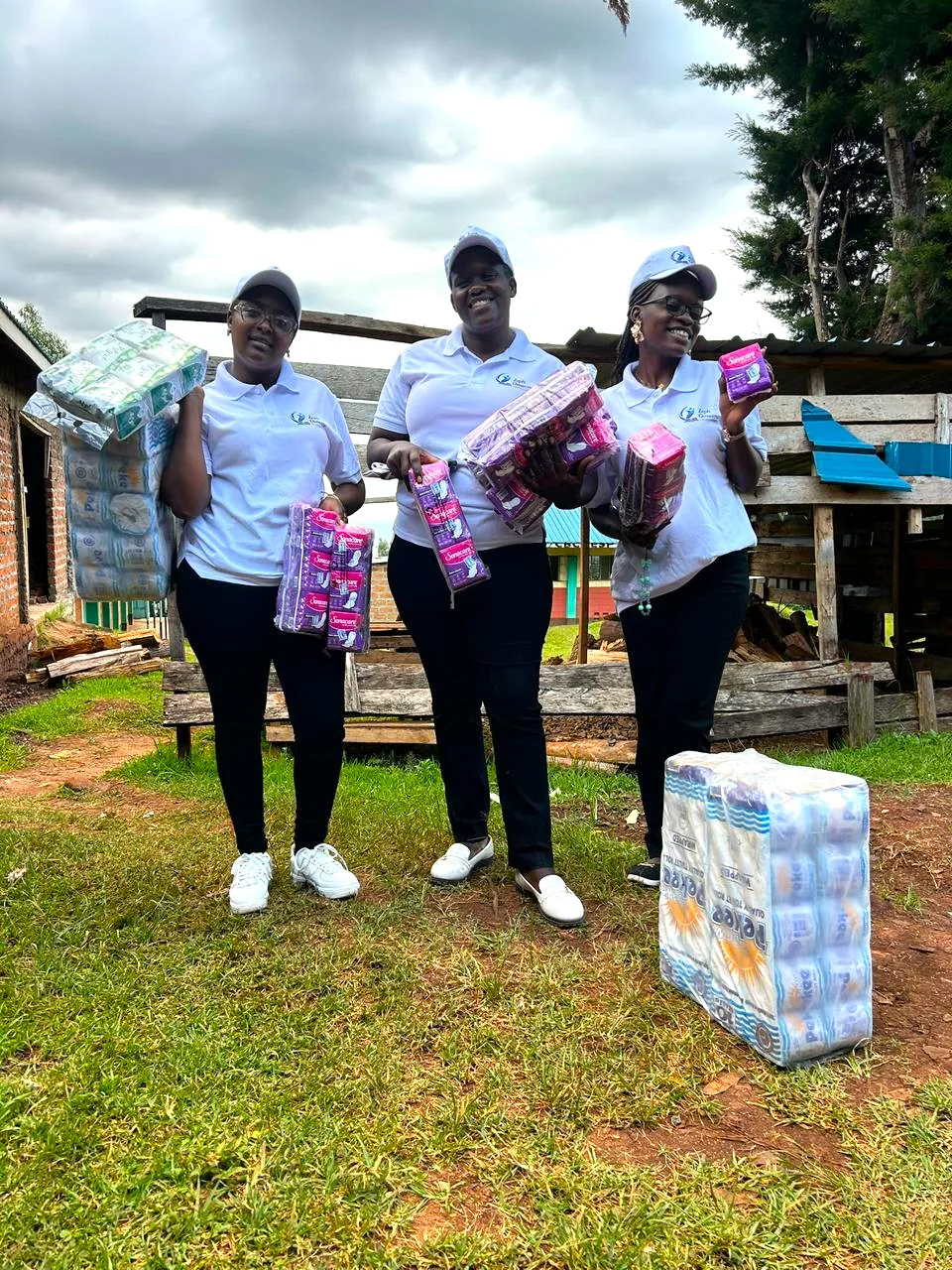
When hundreds of girls receive that support, the impact becomes much greater. The Foundation is helping remove one of the barriers that can prevent girls from participating fully in education.
The impact we want to create
The goal is not simply to distribute sanitary towels. Our goal is to help create a generation of girls who can say: "My period will not stop me from going to school."
Through the Hygiene Support Program, Zeph Omweno Foundation seeks to contribute to:
- Reduced menstruation-related absenteeism
- Improved access to sanitary products
- Greater menstrual-health awareness
- Increased confidence among adolescent girls
- Reduced stigma and embarrassment
- Stronger support from parents and teachers
- Improved participation in classroom and school activities
- Better continuity of girls' education
The Foundation's broader approach recognises that hygiene support is connected to education access, dignity and retention. Providing practical support to vulnerable learners helps remove barriers that can interfere with their ability to remain engaged in school.
From pads to possibilities
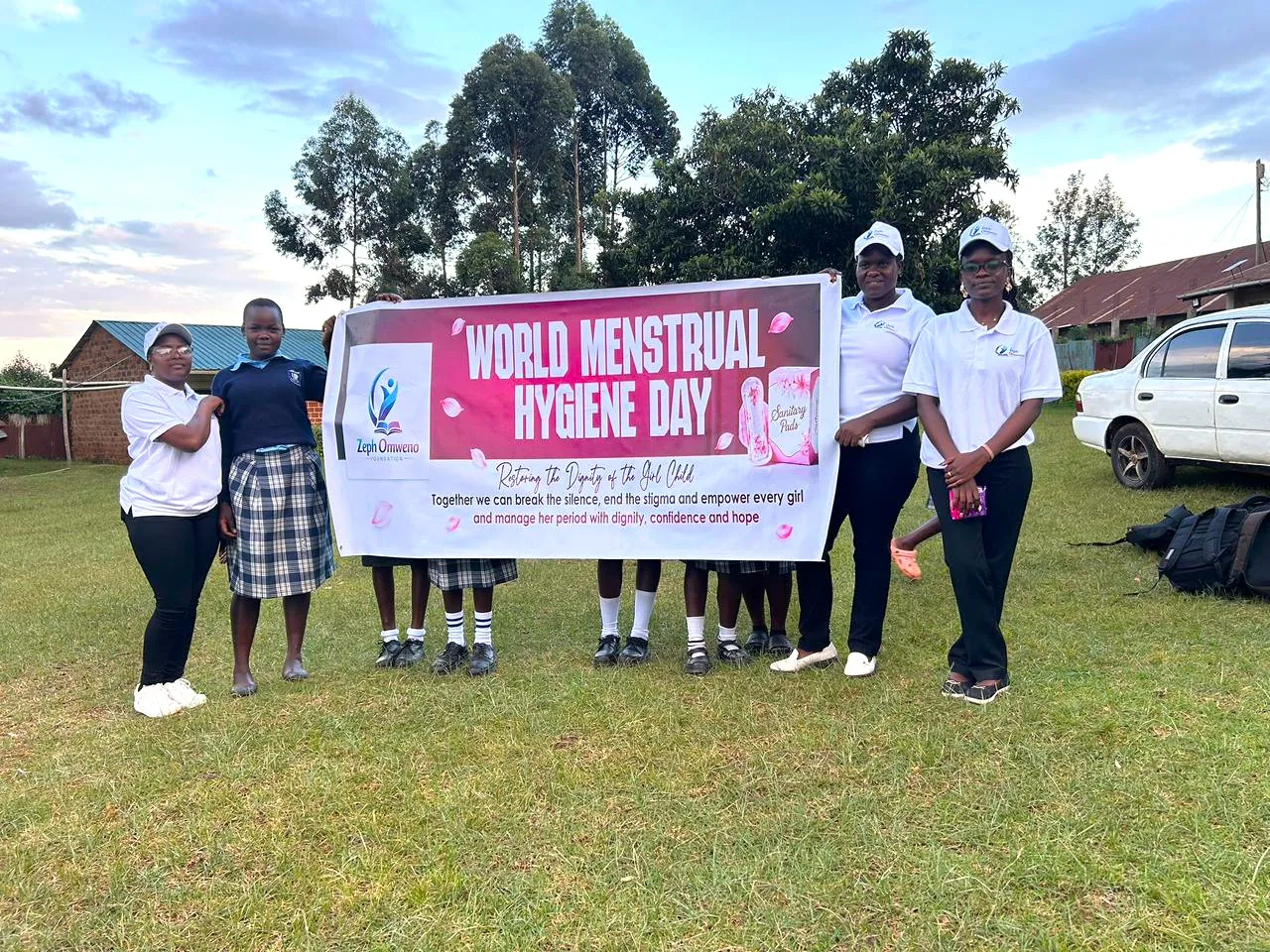
A girl should not have to choose between managing her period and attending school. She should not have to hide at home because her family cannot afford sanitary towels. She should not be ridiculed because she has started menstruating. She should never be made to feel that poverty makes her less deserving of an education.
Every girl deserves to enter her classroom with dignity. Every girl deserves to learn without fear. Every girl deserves the opportunity to complete her education and pursue her dreams.
That is why Zeph Omweno Foundation continues to invest in the Hygiene Support Program. A sanitary towel may be small, but the opportunity it protects is enormous. We are not just giving girls pads. We are helping them stay in school. We are protecting their dignity. We are building their confidence. We are supporting their families. We are working with teachers and schools. Ultimately, we are helping girls remain on the path toward education, empowerment and a better future. When a girl stays in school, a family gains hope. When girls are educated, communities become stronger.