School Uniforms
A Uniform Can Change More Than What a Child Wears
In rural Kisii, a school uniform can be the difference between a child attending school and staying home. Parents, teachers and learners like Sheilla tell us why.
For many children, putting on a school uniform in the morning is an ordinary part of preparing for school. But in rural Kisii, for some families, a school uniform is not an ordinary expense. A uniform can be the difference between a child attending school and staying at home.
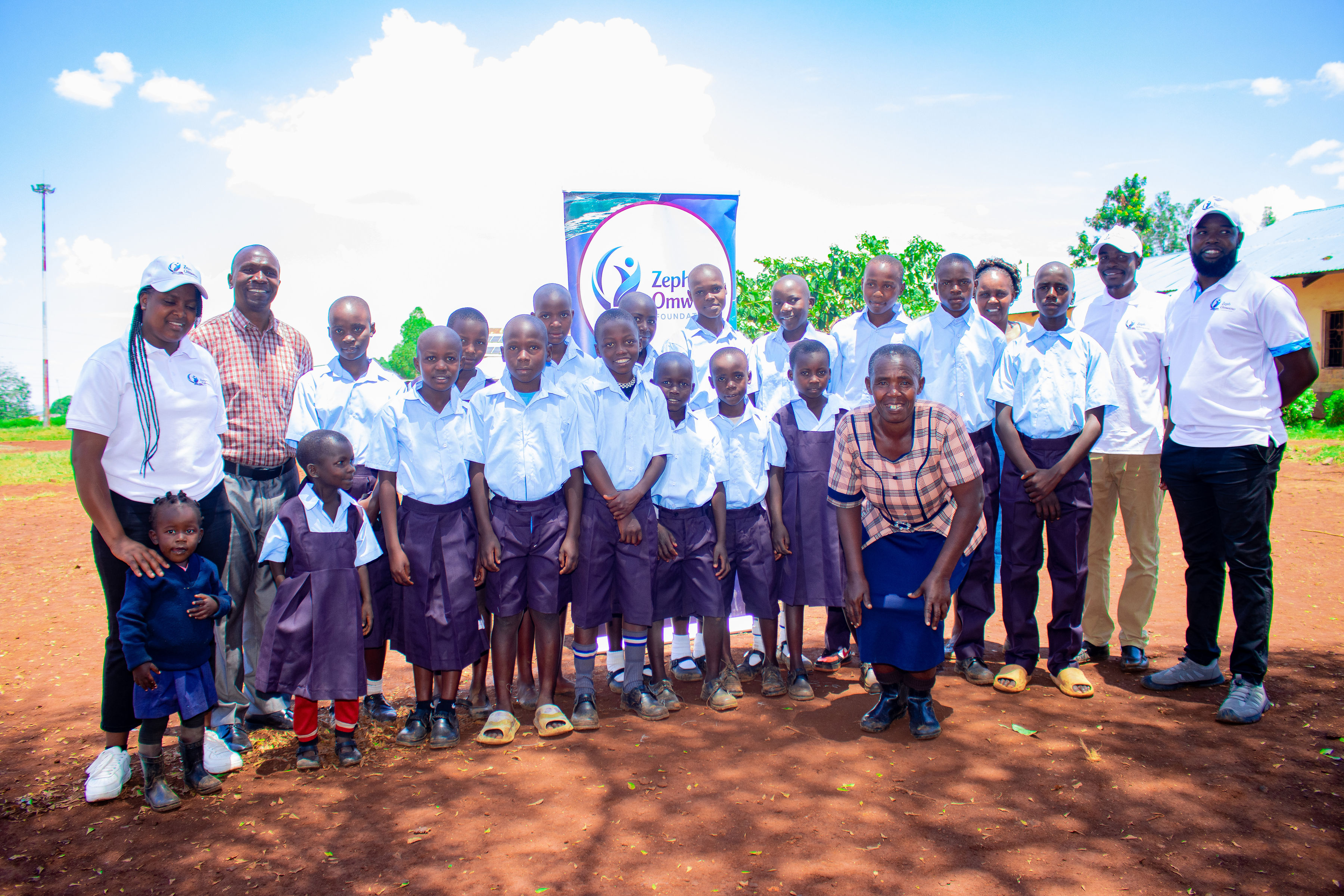
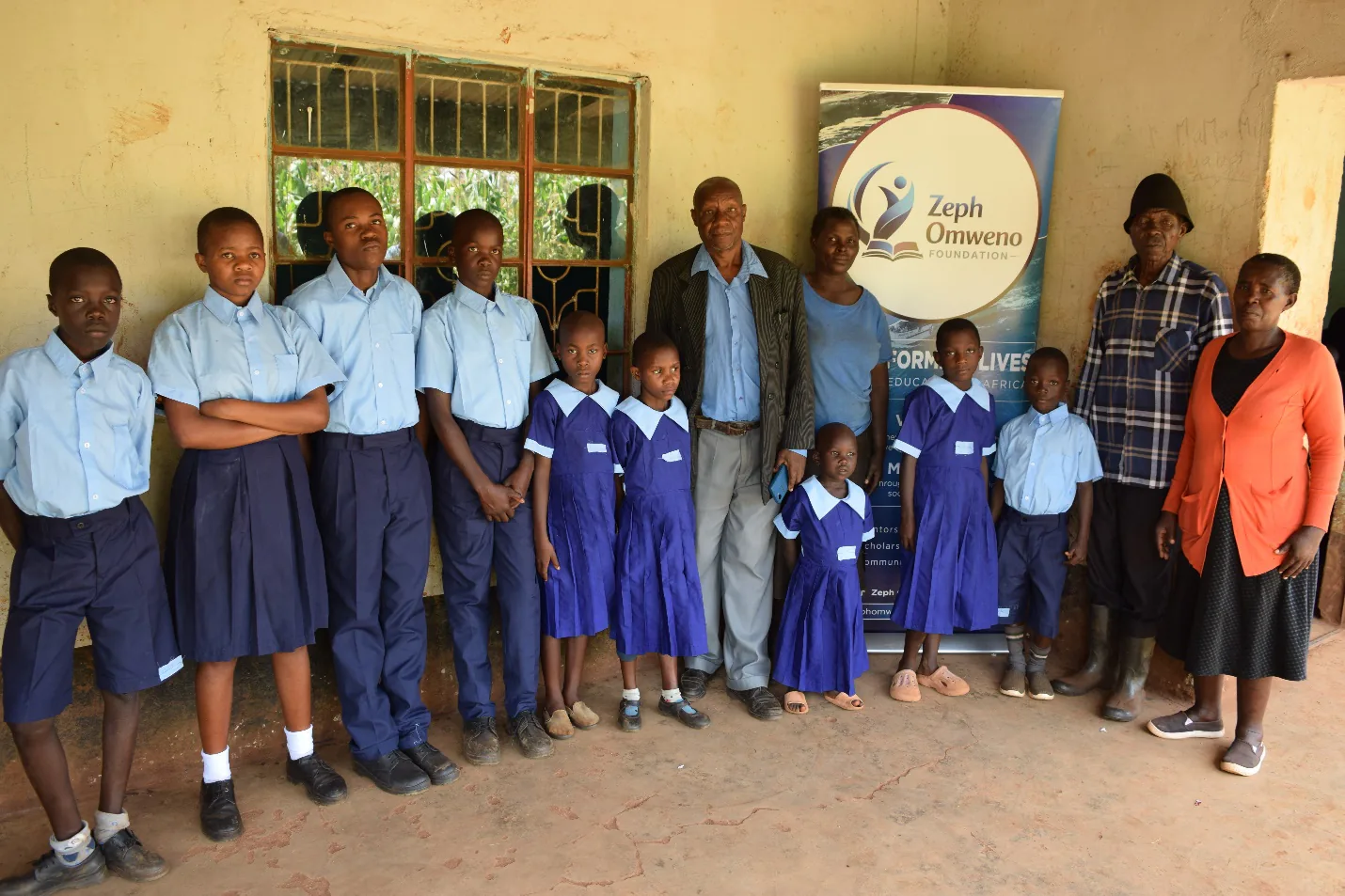
This is the reality that Zeph Omweno Foundation continues to encounter through its education support work. The Foundation's School Uniforms Program was created to support vulnerable learners and children from extremely poor households, recognising that poverty can prevent children from accessing and remaining in school. The Foundation specifically identifies uniforms, alongside school fees, books, hygiene needs and other basic requirements, as barriers that can contribute to absenteeism and interrupted education.
Behind every uniform is a family story
When the Foundation visits families and schools to understand the needs of learners, it becomes clear that the absence of a uniform is rarely the only challenge facing a household. For some parents, meeting the basic requirements of school competes with other necessities at home. Families may struggle to provide food, pay school-related costs, purchase books and stationery, provide clothing and meet other household needs.
This is why a request for a uniform can sometimes carry a much bigger story. A parent may be asking: "How do I keep my child in school when I cannot afford everything the child needs?"
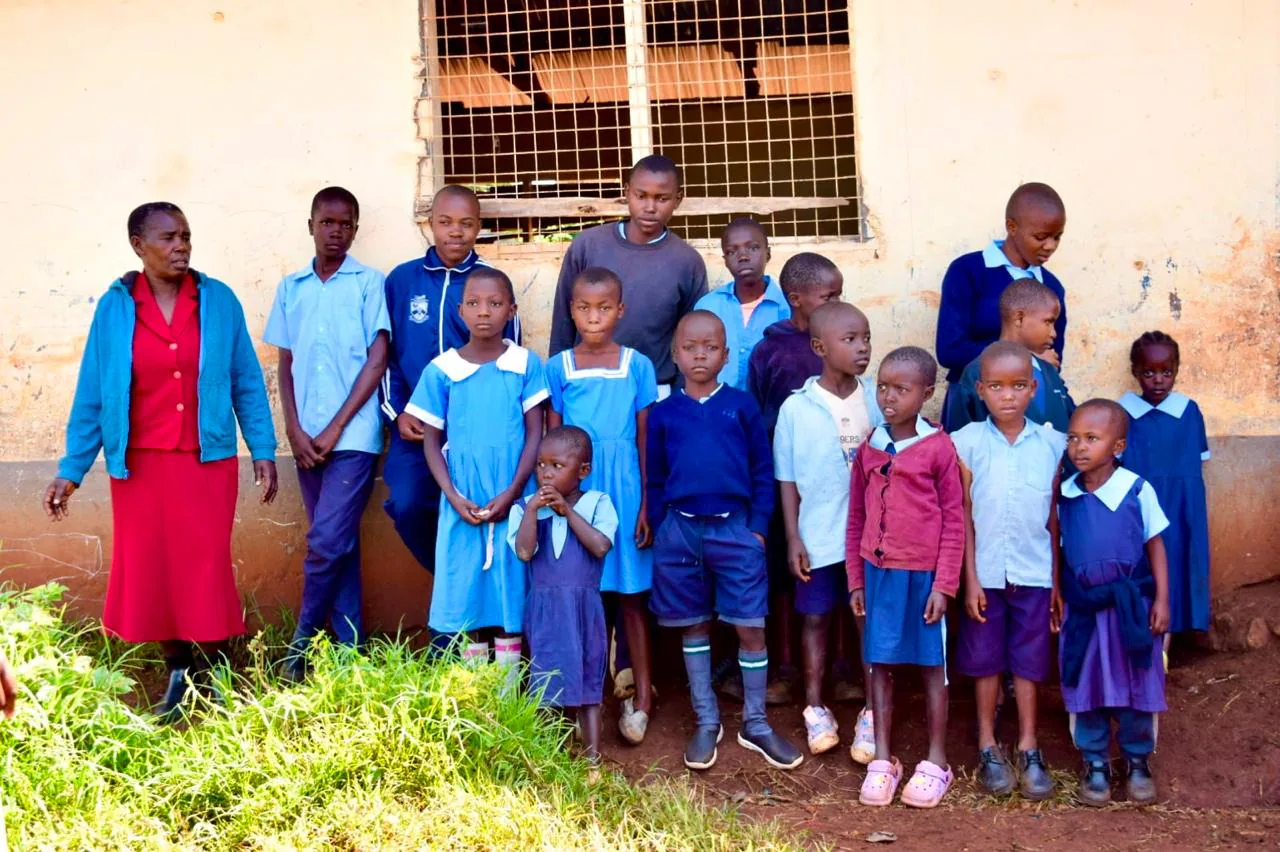
The Foundation's education project recognises this wider reality. Zeph Omweno Foundation identifies household poverty as a major factor affecting children's ability to access and benefit fully from education, with families sometimes unable to consistently meet school fees, uniforms, books, hygiene needs and other essential requirements.
For parents, the concern is not simply that their child does not look like other pupils. It is about attendance, dignity, confidence and the fear that their child may eventually give up on education.
What parents tell us
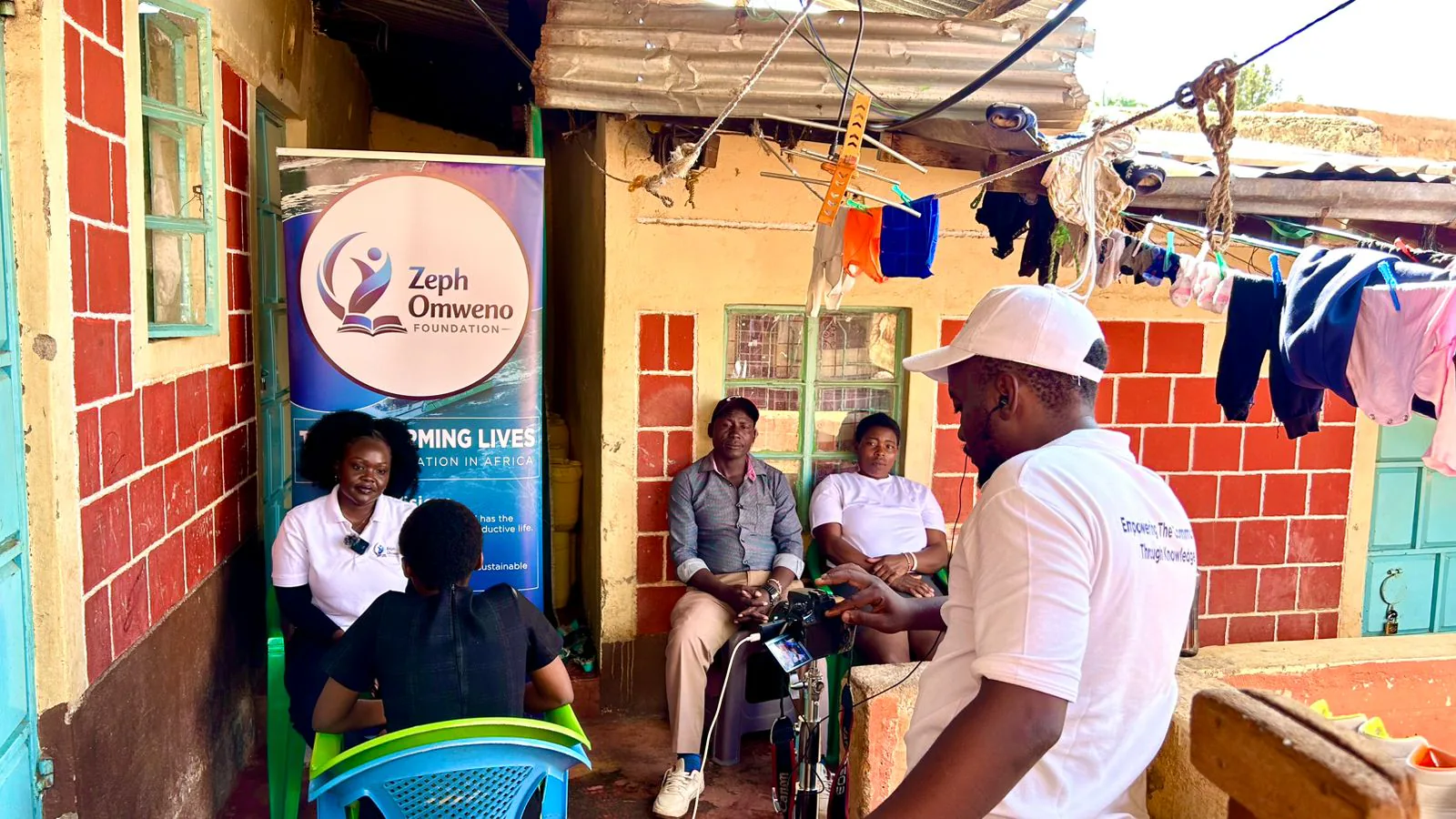
During engagement with families, parents have highlighted how difficult it can be to keep children in school when they are already struggling to meet basic household needs. A uniform that may appear affordable to someone outside the community can represent a significant financial burden for a family already living with competing needs.
Some parents have expressed the desire to support their children's education but lack the resources to provide everything required.
Others worry about the consequences of children repeatedly missing school because they do not have the appropriate school requirements. Take, for instance, Sheilla, who is in Grade 9. Before Zeph Omweno Foundation intervened, she survived on one old uniform, which she had to wash in the evening and wear in the morning. When there was heavy rainfall at night and the uniform could not dry, she could either wear a wet uniform, put on home clothes to school, or worse, miss school on some days. The lack of a uniform had impacted her dignity and self-esteem.
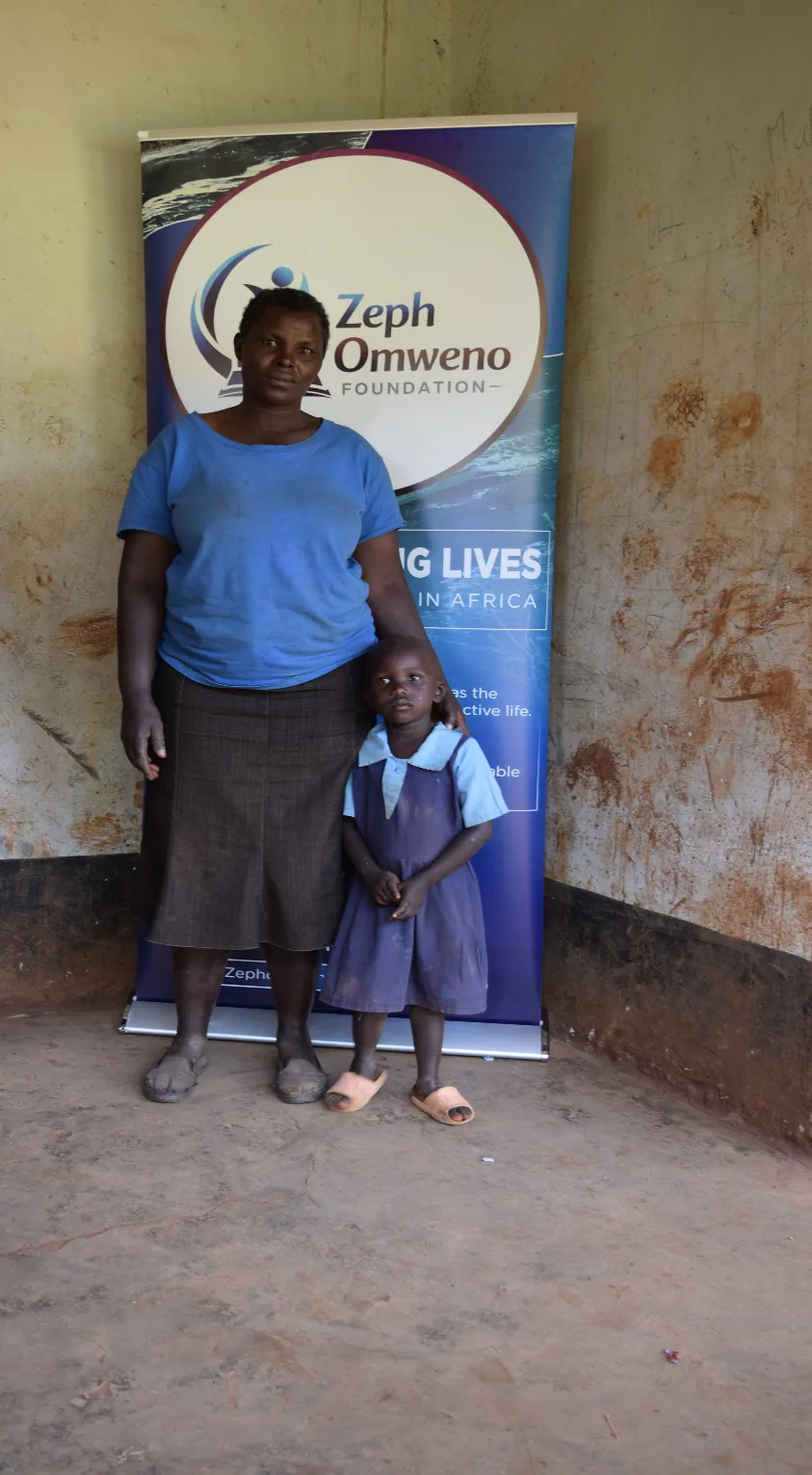
These conversations remind us that poverty is not just about income; it can determine whether a child feels able to participate fully in school.
That is why the Foundation's approach is not limited to distributing uniforms. It seeks to combine practical education support with mentorship, guidance, psychosocial support, community engagement and other interventions that address the wider barriers facing vulnerable learners.
What teachers see every day
Teachers often see the consequences of poverty before anyone else does. They see the learner who arrives at school without the basic requirements. They see the child whose attendance becomes irregular. They see the learner who becomes withdrawn or loses confidence. They see children who are capable of doing much better academically but are distracted by circumstances outside the classroom. And they see what happens when a child finally receives the support they need.
The Foundation's education model therefore considers teachers and schools important partners in identifying vulnerable learners, monitoring attendance and academic progress, and creating supportive environments for children. The Foundation emphasises continuous monitoring of beneficiaries' retention, transition, completion, academic performance, attendance and confidence.
Teachers are not simply receiving uniforms on behalf of learners. They become part of the support system. They encourage learners to attend school, monitor their progress, provide guidance where possible, and alert relevant stakeholders when a learner is facing challenges that may affect education.
Then comes the moment of receiving the uniform
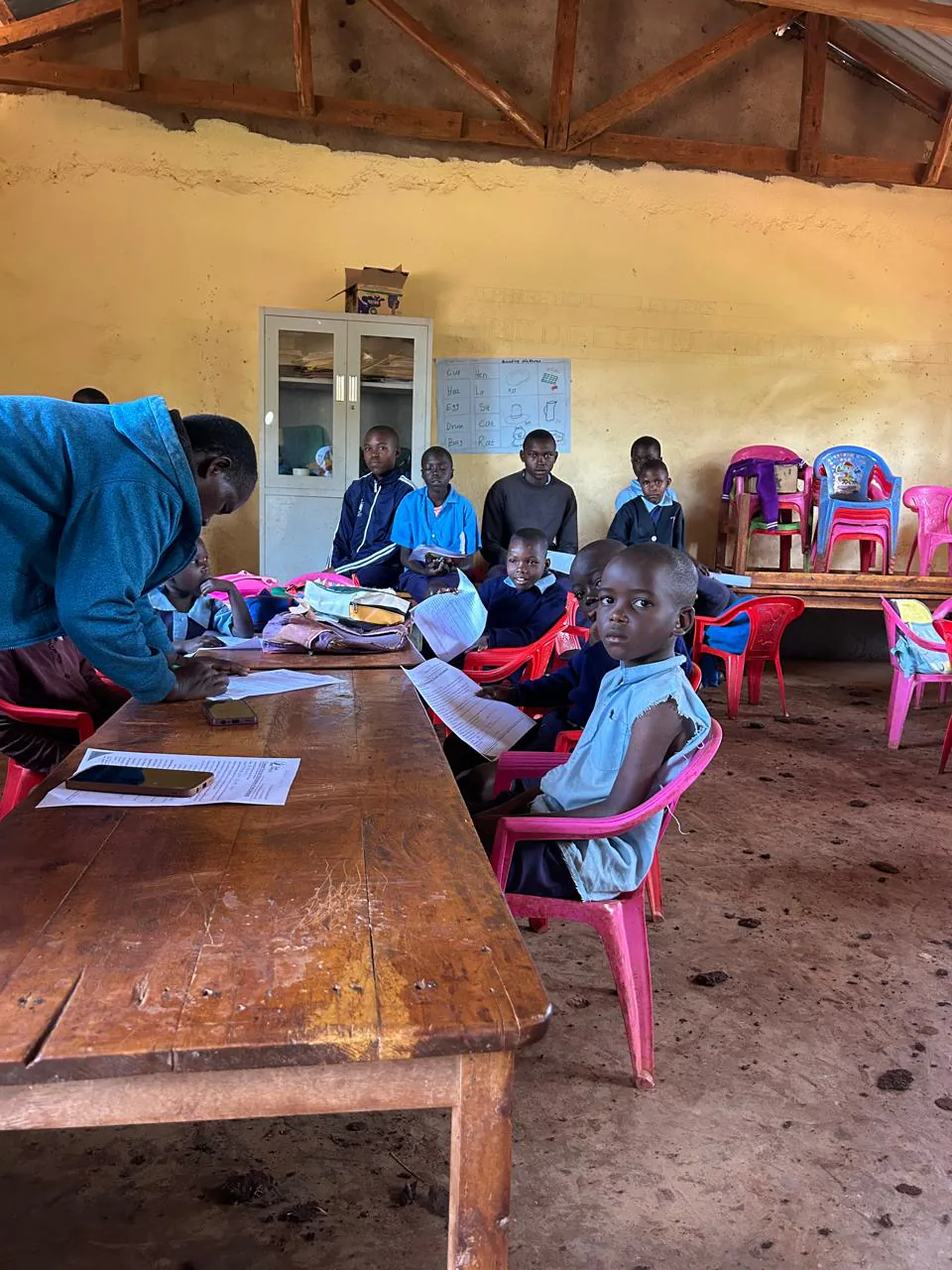
There is something powerful about seeing a child receive a uniform. What may look like a simple package of clothing represents something much bigger:
"I can go to school."
"I belong here."
"I don't have to stay at home because I cannot afford a uniform."
"Someone believes that my education matters."
The Foundation describes the School Uniforms Pillar as a catalyst that can turn potential into reality for children from needy backgrounds, while supporting the wider goal of breaking intergenerational poverty. That is the deeper meaning of every uniform distributed.
The impact goes beyond the uniform
A uniform does not solve poverty. However, it can remove one barrier standing between a child and education, and sometimes removing one barrier creates room for other things to happen. A child attends school. The child participates more confidently. The child receives mentorship. The child begins setting academic goals. The child learns about careers. The child receives psychosocial support when needed. The child progresses to the next level of education. Eventually, that child may become a professional, entrepreneur, teacher, mentor or community leader.
This is why ZOF's education support is designed as an integrated intervention. The Foundation's programs combine scholarships and practical education support with mentorship, career guidance, vocational awareness, psychosocial support and community engagement.
We are not just giving uniforms. We are opening doors.
The real impact of this program is not measured only by how many uniforms are handed out. Rather, it is measured by:
- How many children return to school
- How many remain in school
- How many regain their confidence
- How many improve their academic performance
- How many transition to higher levels of education
- How many discover their talents
- How many begin thinking about careers
- How many are able to build better lives for themselves and their families
The Foundation's current plan targets the provision of uniforms to vulnerable learners, with an initial target of 100 learners in 2026 and scaling to 500 by 2028, while aiming for high retention among learners who might otherwise miss school because of a lack of uniforms.
The bigger picture
When we listen to parents, we hear the struggle. When we speak to teachers, we hear the challenges they witness every day. When we meet the children, we see both vulnerability and potential, and when we provide support, we see something else: hope.
The child who once worried about going to school without a uniform can now walk into the classroom with dignity. The parent who felt unable to meet one more school requirement knows that someone is standing with their family. The teacher has one less barrier to worry about. And the community sees that its children matter.
This is the work of Zeph Omweno Foundation. We are not simply providing uniforms. We are removing barriers to education. We are restoring dignity. We are giving children confidence. We are supporting families. We are partnering with teachers and communities. Above all, we are investing in the possibility that a child from a vulnerable household can remain in school, complete their education, and build a different future. One uniform may seem small. But for a child who has nothing, it can be the beginning of a much bigger journey.